Far
Far
Away
Father
And Farther

Living our queer, twisted truth. Stories, art, love, and cantankerous cats.
Far
Far
Away
Father
And Farther
One little button and I hear a voice that no longer exists whenever I want and wherever I happen to be. That laugh, the exasperated sigh, the way they said my name. Like they loved me. It is not memory exactly. It’s more honest than that.
Hieroglyphs is a living digital archive of childhood memory. A collection of individual stories from around the world, gathered together not to prove how different we are, but to explore what connects us.
Somewhere in my pre-memory, I think I believed that if I could name them all. Orion, Centaurus, Crux…I would always find my way home. There would always be a way back.
In the beginning, there is warmth and rhythm. A darkness that cups like hands. Gentle. Forgiving as it moulds the edges of the body. Sound is muted. A vibration without meaning. A low, gentle hum. A comfort. It doesn’t matter that there are no words to press into, no language to define or praise or condemn.
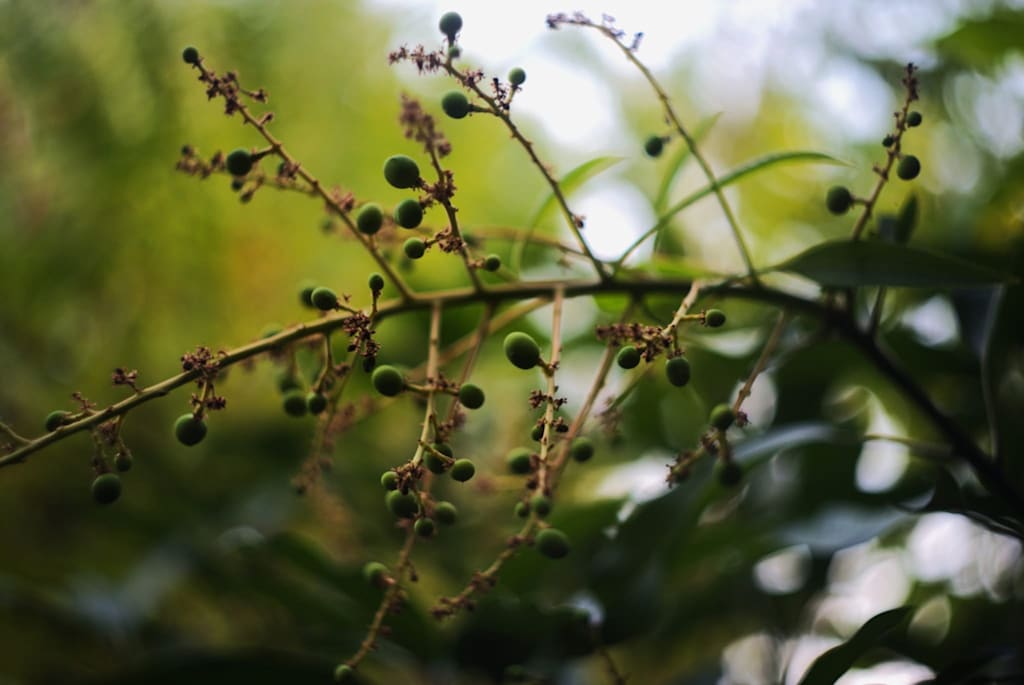
And maybe that’s the part that stayed. Not the tree. Not even the fruit really. It was never about the mangoes at all.
Maybe it’s a little bit about mangoes though.
The glitch won.
Normal content has been corrupted.
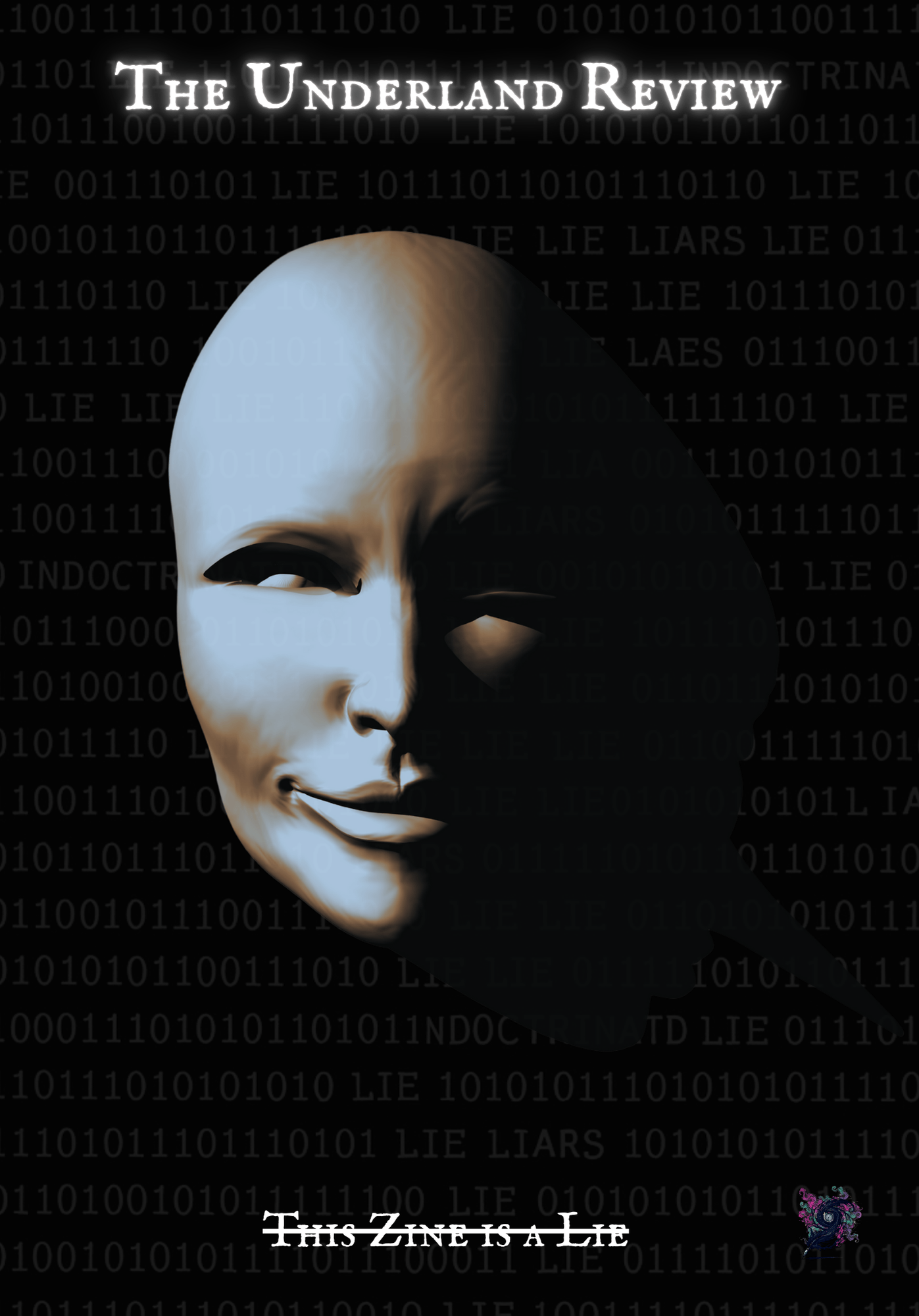
Issue One of The Underland Review: This Zine is a Lie is now live — 57 pages of poetry, prose, art, and soft monsters from the margins of the algorithm.
Pay what you want. Hold it in your hands. Or vanish into the archive.
The Founding Fathers return from the afterlife to discover what America did with the Constitution. They are not impressed.
In this Signal Thread–style satire, ghosts rewrite the Sixth Amendment, arguing about speedy trials, juries, plea deals, and why PowerPoint should never be admissible evidence.
A call for poets, glitchers, microfictionists, rebels, and ghosts.
The Underland Review wants work that twitches, burns, self-destructs.
We are extending our deadling to February 5th 2026 for the next edition of the zine!
A call for poets, glitchers, microfictionists, rebels, and ghosts.
The Underland Review wants work that twitches, burns, self-destructs.
No bios. No AI sludge. No gods. Just stories that shouldn’t exist.