

INSTALLATION LOG // >
Exhibit Entry Twenty-Two Distortion Dialogue
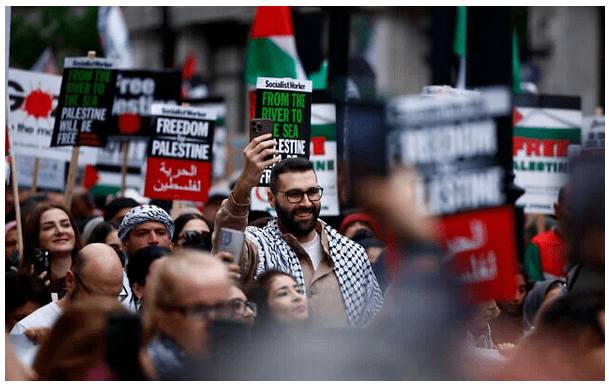
This is not content. This is witness.
War photography has always been a paradox. Equal parts exposure and erasure. It claims to show the truth, but often frames it through the lens of the outsider—the embedded, the foreign, the sanctioned. From Roger Fenton’s staged images of the Crimean War, to Robert Capa’s haunting Spanish Civil War shots, to the Pulitzer-winning photojournalists of Vietnam and Iraq, war photography has long been shaped by distance: Western photographers, male, often white, flown into conflict zones to “capture” war for newspapers, galleries, and, later, prize committees.
The photos won awards. The wars went on.
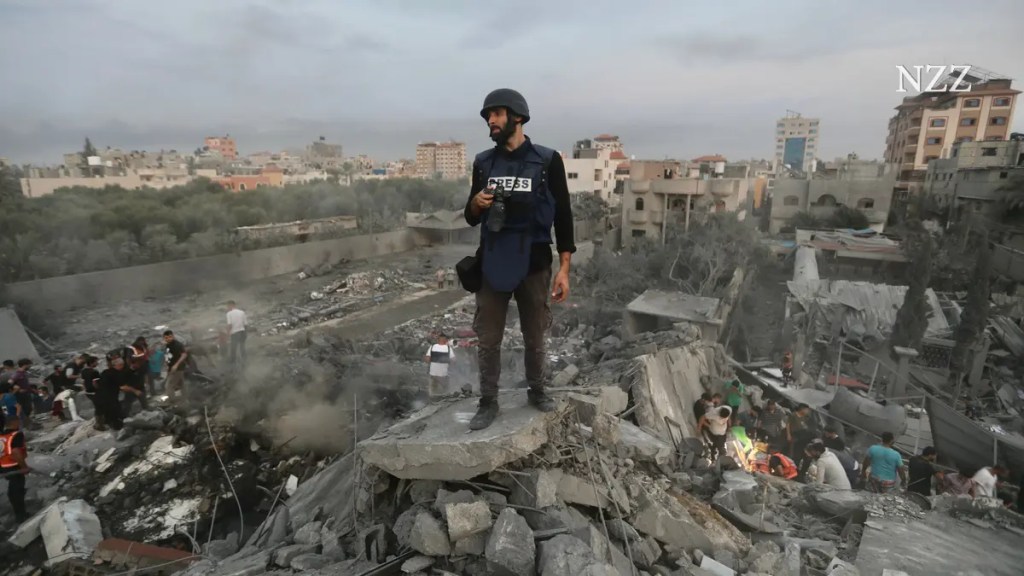
Over the next few Face Lift entries, we will be turning our focus—sharply and deliberately—toward Gaza. Toward the genocide. Toward the artists, journalists, and witnesses who are not just documenting their own destruction, but resisting it through image, language, and presence.
This is not a “pivot.” This is not a gesture.
This is what art is for.
We will not be neutral.
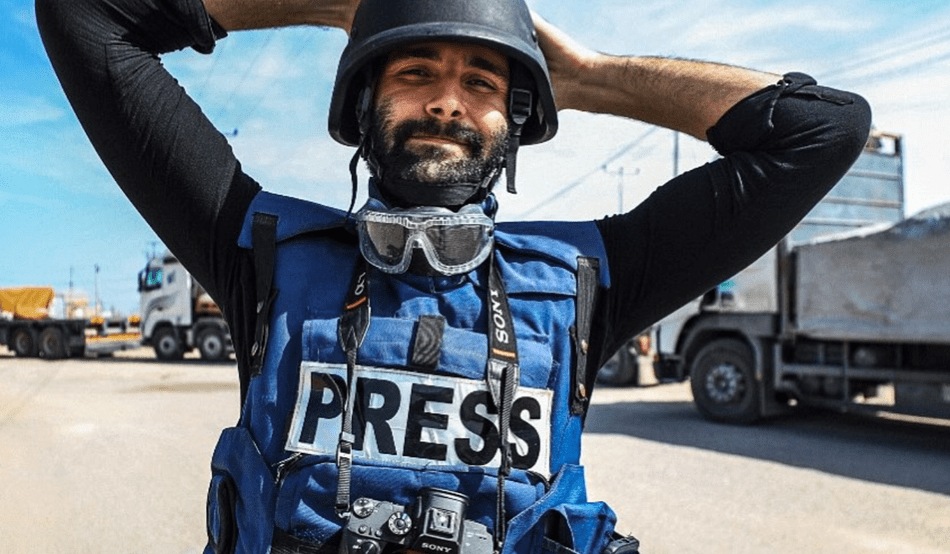
In a war where information itself is a battlefield, Israel has targeted journalists with horrifying precision. As of early 2024, over 100 Palestinian journalists have been killed—targeted, not caught in crossfire. Their press vests didn’t protect them. Their cameras made them threats. Because the truth is dangerous to the machinery of genocide.
And Motaz Azaiza was the most visible truth of all.
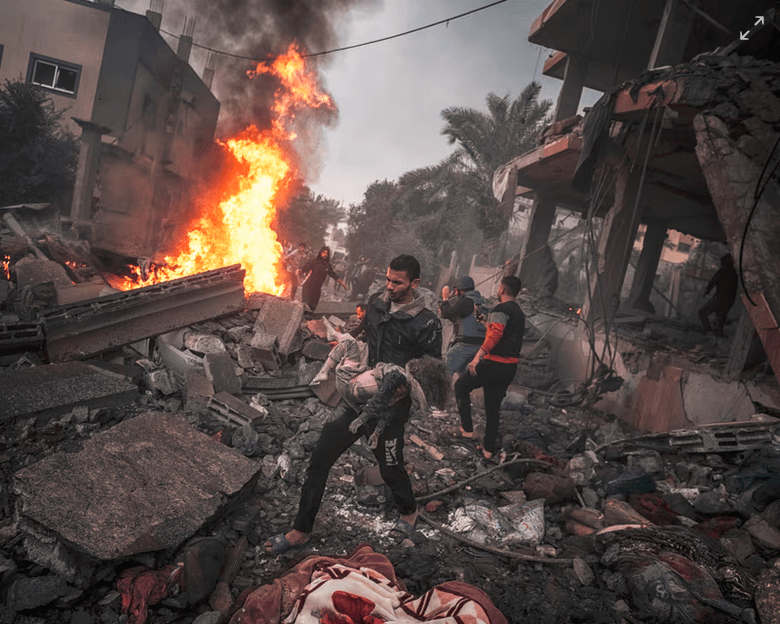
A 25-year-old Palestinian photojournalist born and raised in Gaza, Motaz did not arrive to “cover” the siege—he lived it. He documented it from inside the Strip for over 100 days, turning Instagram into an archive of atrocity: bloodied children, levelled buildings, hospital corridors overflowing with the dead. He filmed the sky when it turned orange. He filmed his friends when they turned to ash.
His voice cracked in real time. His captions did not follow the style guide. They pleaded.
“This is genocide.”
“Don’t say you didn’t know.”
“Maybe I’ll die, but at least people will know what’s happening here.”
Unlike the long history of war photography dominated by Western, male, parachute-in photojournalists, Motaz is the community under siege. His work is not objectifying—it’s internal. Immediate. Unfiltered. Lethal in its clarity. He gave faces to the numbers. Names to the rubble. And his images made the sanitized headlines—*“conflict,” “clash,” “both sides”—*impossible to stomach.
This was not the aesthetic of war.
This was the interior of hell, recorded by someone living in it.
For over 100 days, he ran toward bomb sites with his phone and a flak vest. He recorded death, pulled children from wreckage, buried friends, recharged devices off car batteries. This was war journalism as resistance. Not with distance—but with love. Not with “objectivity”—but with furious, unrelenting truth.
He was shadowbanned, censored, flagged, surveilled.
But he kept going.
Until, on January 23rd, 2024, under international pressure and with help from humanitarian orgs, he evacuated Gaza. He left with 18 million followers, a camera, and enough trauma to shatter most men.
“I did everything I could. Maybe now it’s time to heal.”
His departure was not a happy ending. It was a rupture.
Because the siege continued. The bombs kept falling. The journalists kept dying.
And now, even with Motaz safely out, his images remain. They float in the algorithmic sludge, interrupted by brand deals and dance clips. But if you find them—look hard. These aren’t just photos. They are testimonies. Evidence. Love letters and rage diaries. The last visual record of lives that the world didn’t save.
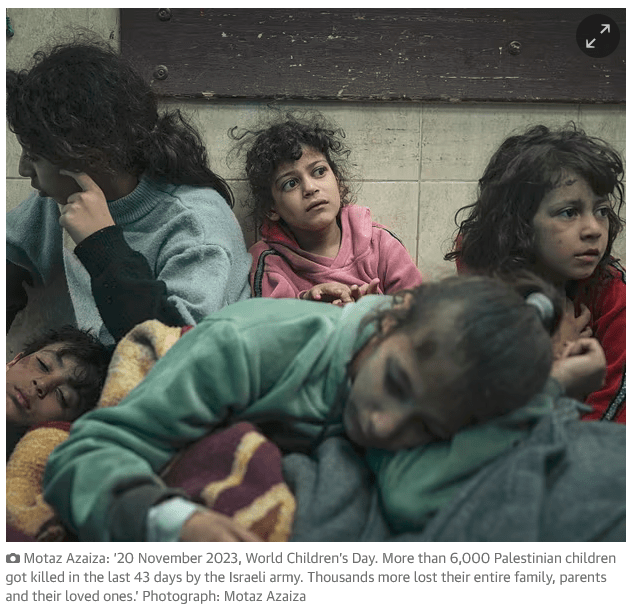
This is war photography reclaimed.
This is image-making without empire.
This is not objectification. This is indictment.
Motaz Azaiza does not photograph war to win awards. He photographs it so the world cannot say we didn’t know. His lens is not passive. It is weaponized compassion. It is resistance rendered in megapixels. It is a refusal to disappear quietly.
Prompt+Original
Edit 1
Edit 2
Feed the Paws…
💜 Help keep the chaos caffeinated and the cats in biscuits. Every crumb helps. Whether you’re funding feline existential monologues, glitchy portals, or late-night creativity spirals, your support feeds the moglets (and occasionally, the magic). 🐈⬛
Make a monthly donation
Make a yearly donation
Choose an amount
Or enter a custom amount
Thank you, fellow wanderer. Your generosity has been noted in the Book of Kindness, which the cats may or may not use as a pillow.
Your contribution is appreciated.
Your contribution is appreciated.
DonateDonate monthlyDonate yearlyDiscover more from River and Celia Underland
Subscribe to get the latest posts sent to your email.
