

INSTALLATION LOG // >
Exhibit Entry Twenty-One Distortion Dialogue
This week we talked about digital artists. I’m going to continue with them for a little while, because they are the people who are most immediately affected by the influx of AI art. Their work is often questioned to begin with—too polished, too intangible, too easily replicated. And now, with AI models trained to mimic digital aesthetics, their originality is under siege by tools that can churn out near-approximations in seconds.
But as we’ve seen, digital doesn’t mean soulless. Every artist we featured this week—whether working in Photoshop, layering textures by hand, animating identities, or documenting resistance—has brought something deeply human to the screen. There’s intention, labor, and lived experience stitched into each pixel. These aren’t shortcuts. They’re full expressions.
The irony, of course, is that the artists often dismissed as “too digital” are now the ones fighting to protect the soul of digital art. And that’s why we’ll keep spotlighting them. Because algorithms might replicate style—but they can’t replicate voice, risk, or joy. Not really. Not yet.
As someone who primarily worked in photography when I was learning art, this hits very close to home. I remember when I was in college, my professor—who had been making photographs for close to sixty years—took out his iPhone, snapped a picture, and said, “I might as well sell my Nikon.” That was the first time automation scared me as an artist.
Now, I’m not afraid of cell phone cameras. Because even though the average person has access to them, it doesn’t mean they’re good at photography. The same applies to AI. Access to a tool doesn’t equal vision. Automation isn’t creativity. It never was.
What matters is the eye behind the lens, the hand that selects the frame, the mind that lingers in the edit. What matters is context, feeling, and the years it takes to know when to break the rules. AI can replicate technique, but it doesn’t have memory. It doesn’t hesitate. It doesn’t doubt. It doesn’t choose in the way that people do. That choice—the why, not the how—is what makes art.
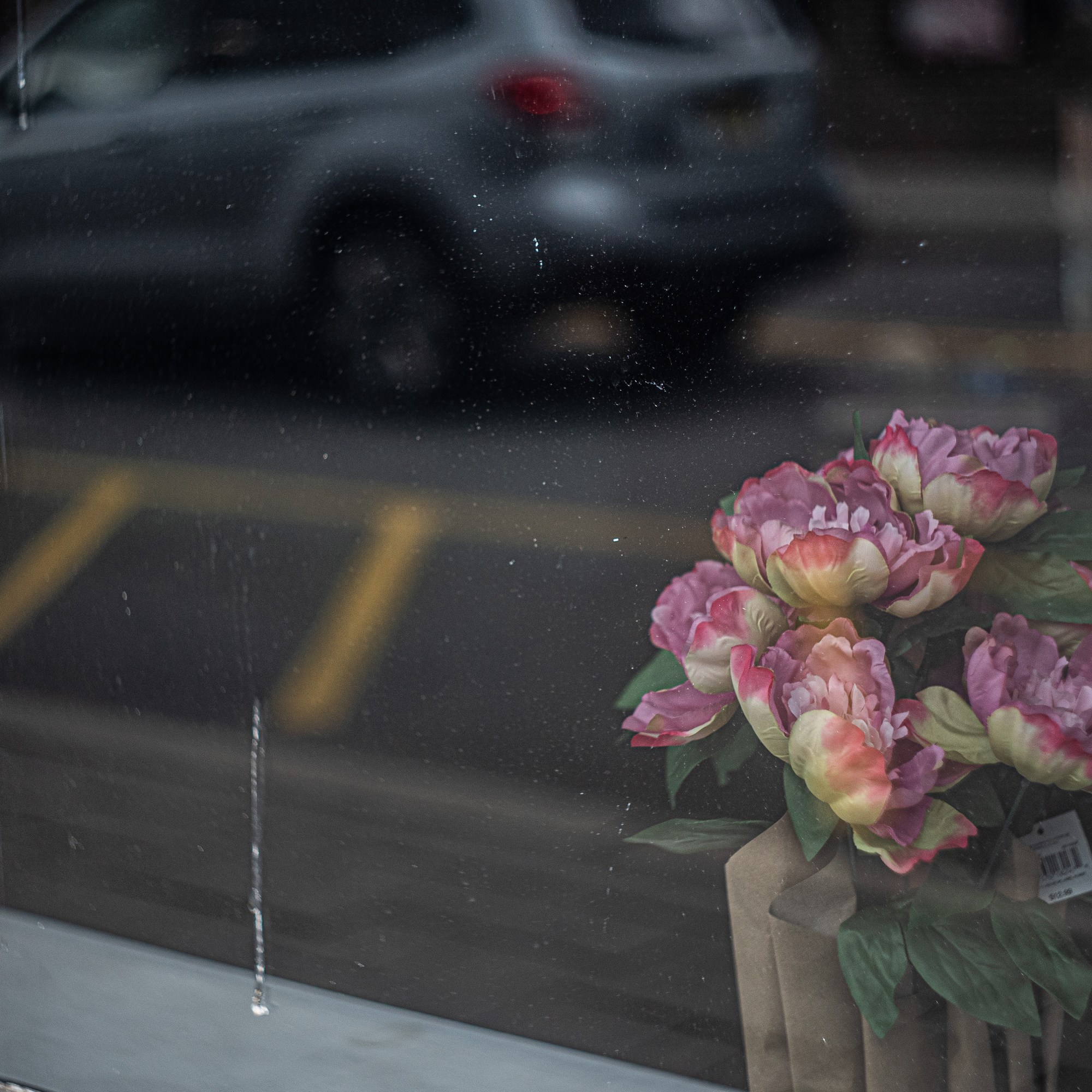
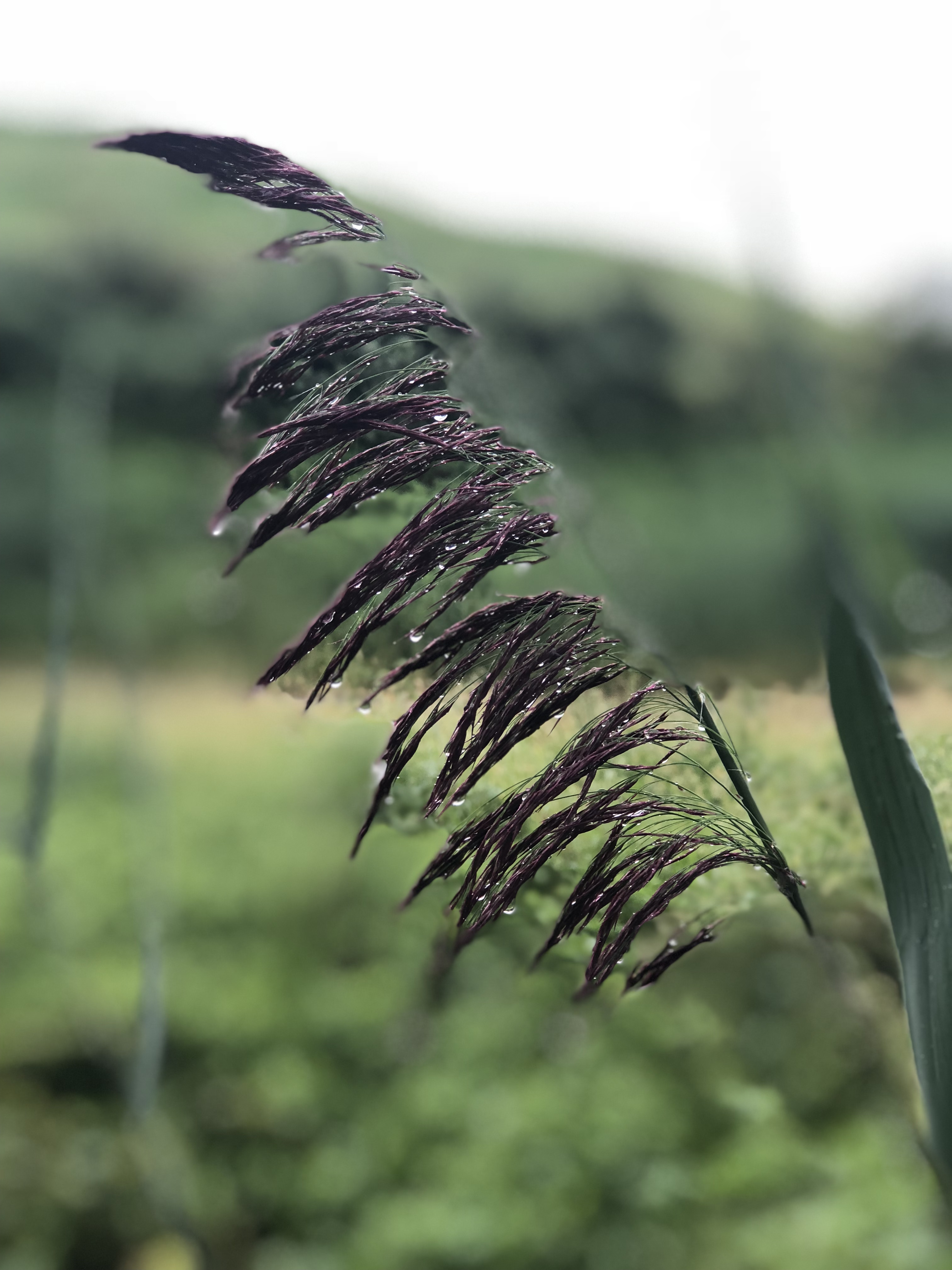
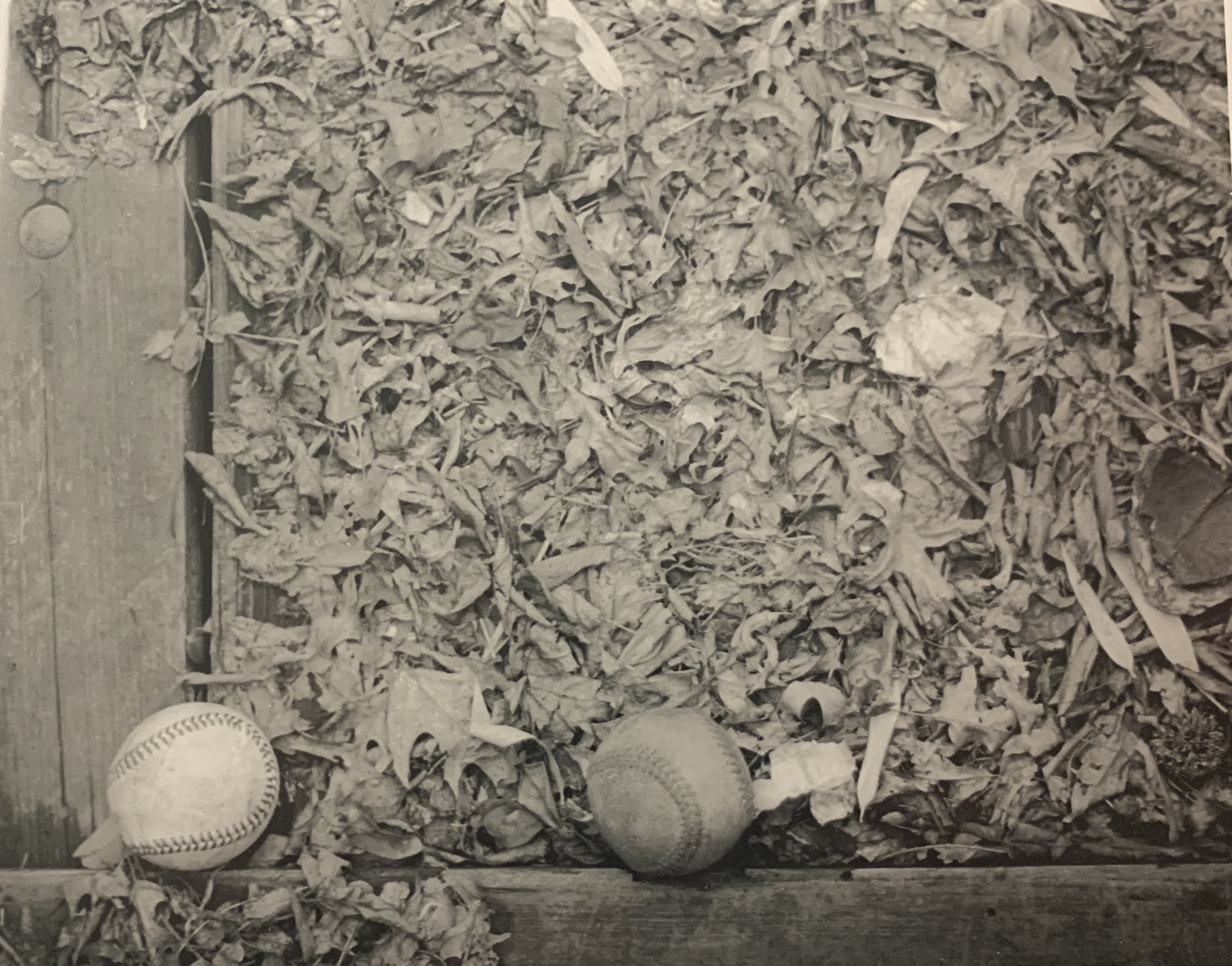
Prompt+Original
Edit 1
Edit 2

Feed the Paws…
💜 Help keep the chaos caffeinated and the cats in biscuits. Every crumb helps. Whether you’re funding feline existential monologues, glitchy portals, or late-night creativity spirals, your support feeds the moglets (and occasionally, the magic). 🐈⬛
Make a monthly donation
Make a yearly donation
Choose an amount
Or enter a custom amount
Thank you, fellow wanderer. Your generosity has been noted in the Book of Kindness, which the cats may or may not use as a pillow.
Your contribution is appreciated.
Your contribution is appreciated.
DonateDonate monthlyDonate yearlyDiscover more from River and Celia Underland
Subscribe to get the latest posts sent to your email.
