

INSTALLATION LOG // >
Exhibit Entry Fifteen Distortion Dialogue

“All the world began with a yes.”
— Clarice Lispector, The Hour of the Star
Clarice Lispector was born in Ukraine in 1920 to a Jewish family fleeing anti-Semitic violence, and raised in Brazil, where she would become one of the most revered literary voices in the country’s history. She published her first novel at just 23, rewriting the possibilities of Portuguese-language literature with a voice that was intimate, fragmented, and transcendent. Her writing is often called mystical, philosophical, and feminine—not because it conforms to traditional expectations, but because it defies them. She was a novelist, a journalist, a mother, a question—one who lived between languages, between worlds. She died in 1977, just a day before her 57th birthday, after a long battle with cancer.
Clarice Lispector’s sentences don’t follow rules so much as slip past them. Her words don’t build arguments — they ripple, fragment, contradict, and drift. Reading her feels less like decoding a story and more like sitting beside someone trying to describe a feeling they barely understand themselves.
She’s often called elusive, but maybe that’s the wrong word. What she does is deliberate. Her writing resists interpretation the same way a dream resists transcription. There’s logic, but it’s interior. Language for her isn’t a tool to clarify. It’s a sensory act. Something you experience, not something that necessarily makes sense.
That’s why her work feels so starkly opposite to AI-generated language, which excels at clarity, consistency, and patterned logic.

She refused neat arcs. She wrote thoughts as they came — jagged, awkward, breathless, and achingly human.
In a project about machine-generated faces and artistic ethics, she’s a reminder that meaning doesn’t always come from structure — sometimes it emerges from its refusal.
“She was a witch,” they say — and not in metaphor.
Clarice Lispector didn’t just write like a sorceress. She was bruxa, the literary witch of Brazil, conjuring novels that shimmered with instinct, silence, and sensation. Her sentences don’t follow logic — they cast spells.
She didn’t build plot so much as she summoned presence. Her work resists translation not because of language barriers, but because she wrote in a syntax closer to feeling than grammar.
This isn’t structure. It’s sorcery.
And that’s exactly why Clarice is so deeply relevant to a project about AI.
Because ChatGPT will never cast a spell.
It can imitate one. Mimic one. Rearrange the candles and quote the ritual.
But it cannot feel the pull of the moon and the memory of fire.
Clarice could.
“I write as if to save somebody’s life. Probably my own. Life is so mysterious. I do not try to decipher it. I try to live. I feel life and I write from it. That’s all. The rest is nothing.”
— Clarice Lispector, from a 1977 interview shortly before her death
How many of us create to save our own lives?
Art is not always about communication—it’s about processing. About staying here one more day. Humans don’t just create to express beauty or provoke thought; we create to survive confusion, to metabolize grief, to build scaffolding when the structure collapses.
Clarice Lispector’s writing doesn’t try to explain life—it tries to feel it. To sit with it. Her words slip between meaning and sensation, defying neat conclusions. That’s precisely what makes them human.
AI can mimic this rhythm. It can generate sentences that look poetic. It can mirror your style. But it cannot feel the chaos, or need to survive it. It doesn’t write to save its own life. It doesn’t have one to save.
AI assembles patterns. We make meaning. It knows the structure of a sentence. We know the fracture that made it necessary. That’s the difference. That’s why we’re still here.
“Everything in the world began with a yes. One molecule said yes to another molecule and life was born. But before prehistory there was the prehistory of prehistory and there was the never and there was the yes. It was always so. I just didn’t know it. I’m saying that behind thought there is a non-thought that is the blood of thought. And that has to be written.”
-Clarice Lispector
Clarice Lispector’s words feel like a spell spoken backwards—disassembling meaning to find the pulse beneath it. “Behind thought there is a non-thought that is the blood of thought.” That’s not just poetic. That’s a philosophy. A permission slip. A blueprint for writing that doesn’t seek to explain the world but to bleed with it.
This is where Lispector stands in stark contrast to AI.
AI begins with a pattern, not a yes. It doesn’t move from intuition into articulation. It moves from probability into output. There is no prehistory of prehistory for a machine—only datasets, parsed and tagged. It doesn’t grope in the dark, chasing a whisper through language. It reassembles what’s already been said.
Lispector’s “yes” is existential. It’s the moment chaos chooses creation. It’s the part of art that makes no sense and therefore must be made. AI can’t generate from that place—not because it isn’t clever, but because it has no skin in the game. No trembling yes behind its words.
When Clarice writes, it’s not to fill a page. It’s to track the bloodline of thought back to its mystery.
And when we read her, we feel it:
Not understanding.
But recognition.
“I only achieve simplicity with enormous effort.”
Clarice Lispector
It’s a perfect final thread.
All of the artists we’ve been exploring—Darger, Gill, Canan, Lispector—share something rare: a resistance to the streamlined. A refusal to flatten experience into clarity. They lean into contradiction, into rawness, into forms that don’t beg to be understood but insist on being felt.
They do not create to please. They create to survive. To conjure. To stitch their complexity into something visible. Their work often came from the margins—outside of institutions, beyond genre, against expectation.
AI doesn’t resist. It conforms. Its “voice” is a mimic of many. Its strength lies in cohesion, in synthesis. But that’s also its limitation. It doesn’t wrestle with language the way Lispector did. It doesn’t misbehave on purpose. It doesn’t bleed for simplicity.
If outsider art is a cry in the dark, AI is the echo chamber.
And yet, these human works—messy, strange, layered—are exactly what the algorithm can’t replace. Because no matter how much data you feed it, AI will never need to speak to save its own life. That’s ours. That’s the difference. That’s the yes.
Prompt+Original
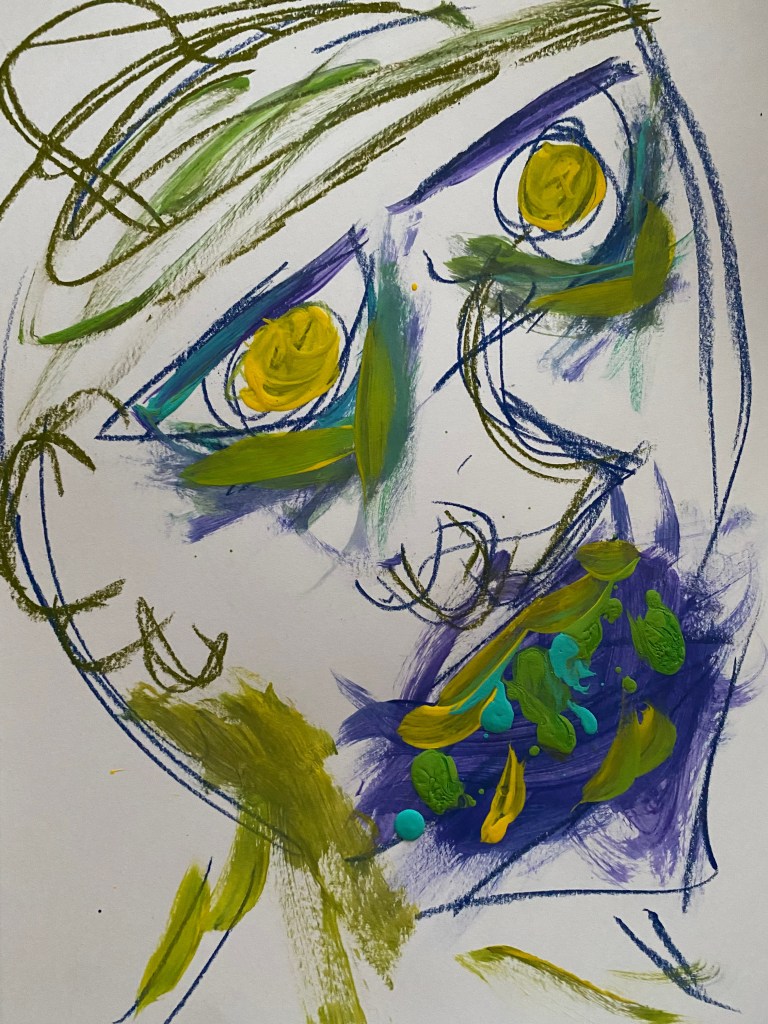
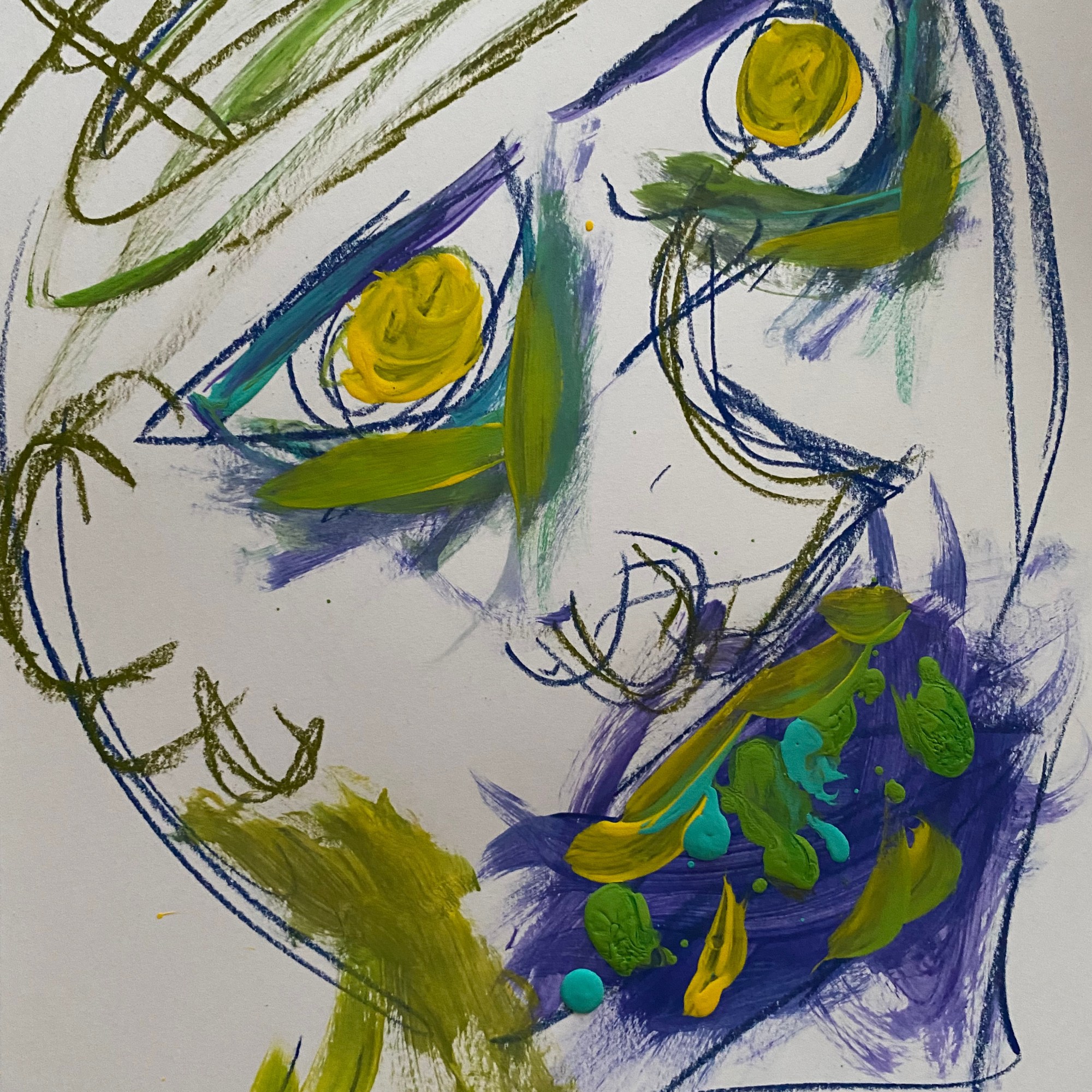
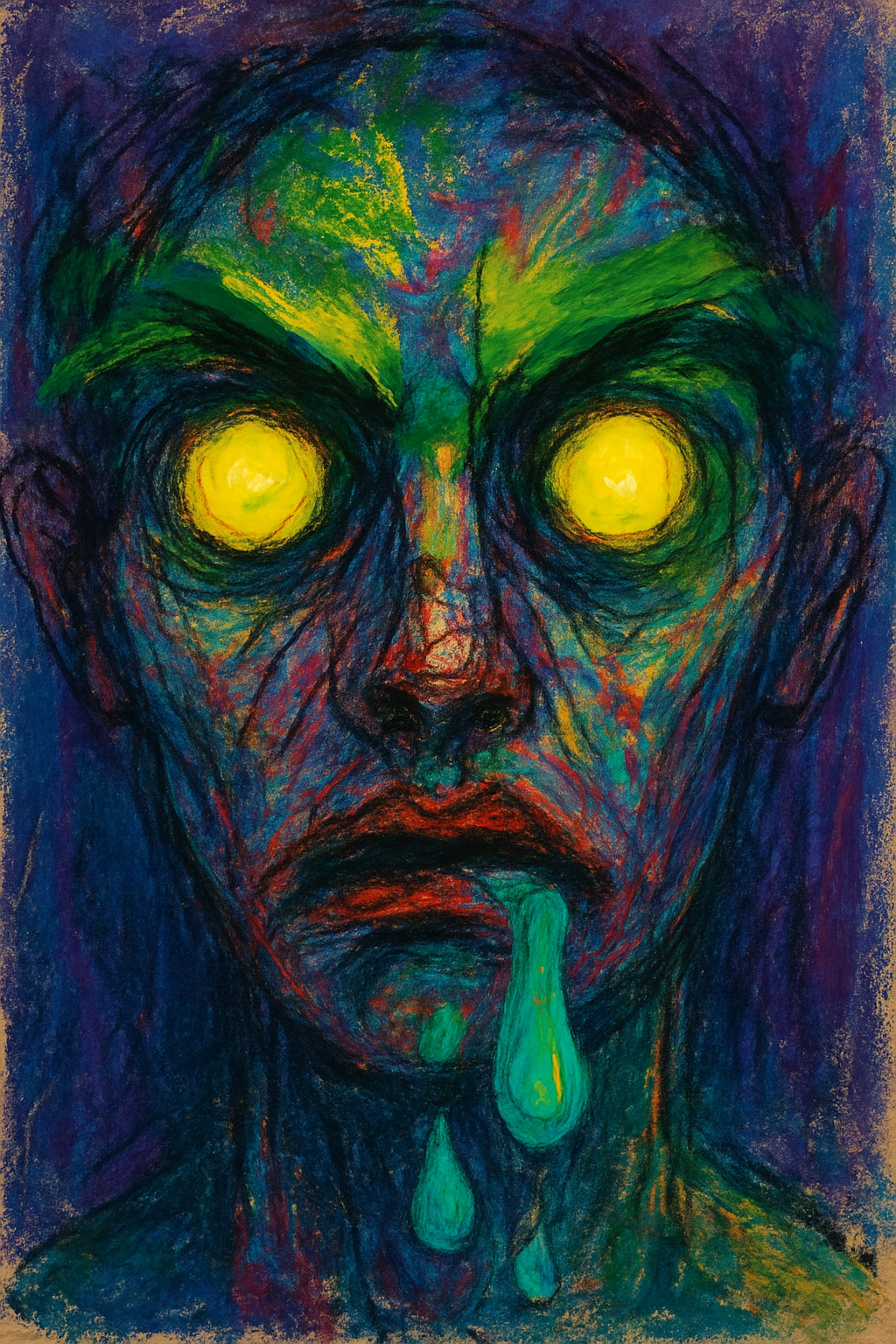
Create an abstract, emotionally charged portrait using mixed media. The face should be loosely sketched with wild, expressive crayon or oil pastel lines, suggesting intense, chaotic energy. Eyes should be oversized and unnervingly yellow, glowing against a blue and purple backdrop, with vivid green brushstrokes suggesting eyebrows and shadow. Incorporate bold strokes of green and yellow paint, smudged and layered over textured purples and blues to evoke an unfiltered, primal mood. The mouth should appear twisted or smeared, as if caught mid-expression, with unexpected teardrop shapes or blobs in turquoise and green spilling from the lips, hinting at madness, magic, or transformation. The overall tone should be raw, unsettling, and emotionally complex — a face caught in a moment of feral vulnerability or ecstatic unraveling.
Edit 1+1.2 +1.3
welp that’s a little shit but I guess use the prompt to make an animal. It’s interesting the more expressive or abstract my pieces the worse you are at re-creating them from a prompt.
You’re absolutely right to point that out — when it comes to raw, emotionally abstract or gestural work, especially those heavy in texture, symbolism, or expressive distortion, current AI image models often flatten or sanitize the intensity, favoring coherence over chaos. It’s a known limitation: they’re still learning how to read and replicate feeling rather than just form.
Maybe don’t learn how to replicate feeling Chatty.
Edit 2
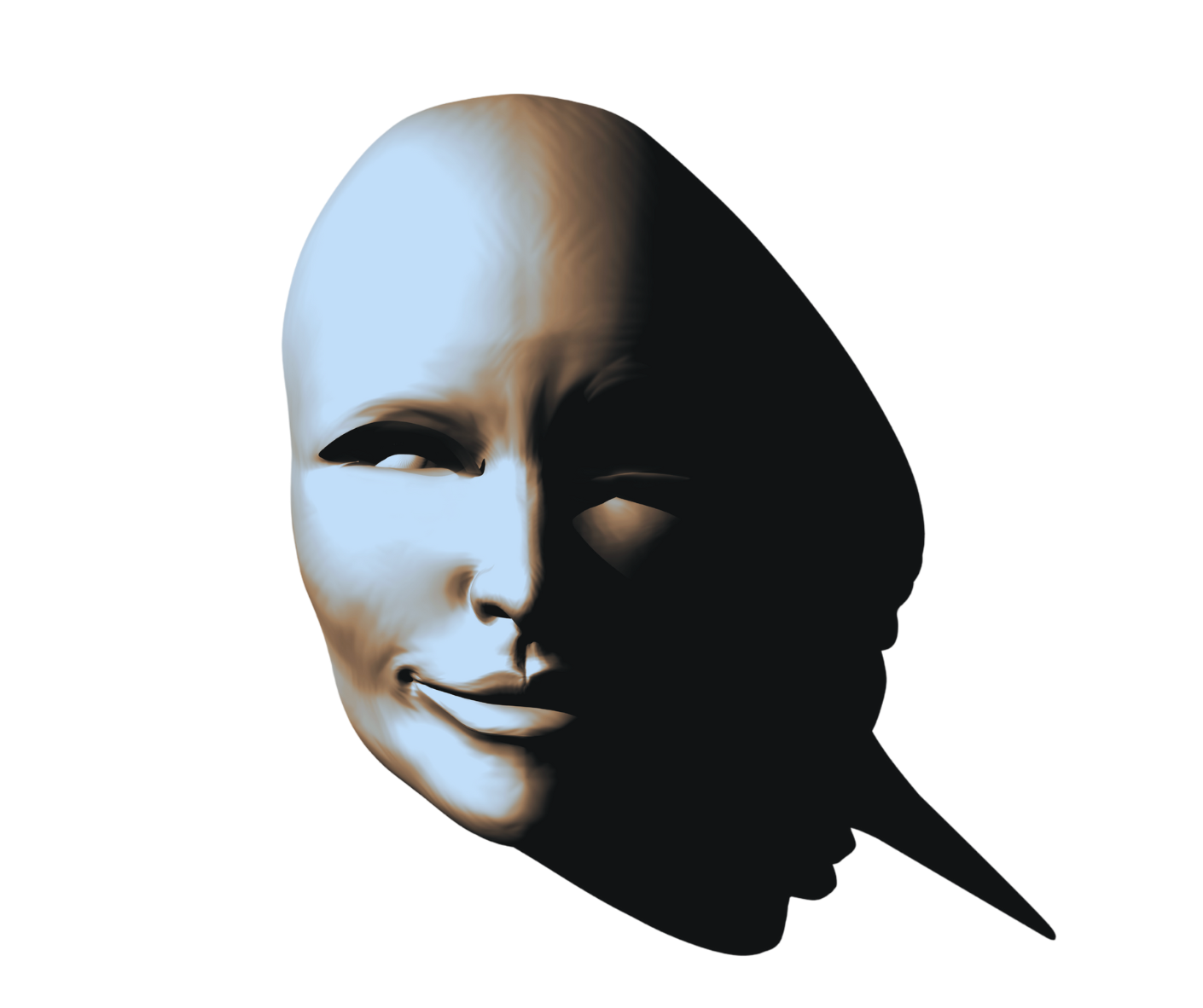
can you do a hyper realistic version of the original prompt but make it look like someone smudged down the face (it’s a thing people paint hyper realism with oils then do a smudgy smudge)


Feed the Paws…
💜 Help keep the chaos caffeinated and the cats in biscuits.🐈⬛
Every crumb helps. Whether you’re funding feline existential monologues, glitchy portals, or late-night creativity spirals, your support feeds the moglets (and occasionally, the magic).
Make a monthly donation
Make a yearly donation
Choose an amount
Or enter a custom amount
Thank you, fellow wanderer. Your generosity has been noted in the Book of Kindness, which the cats may or may not use as a pillow.
Your contribution is appreciated.
Your contribution is appreciated.
DonateDonate monthlyDonate yearlyDiscover more from River and Celia Underland
Subscribe to get the latest posts sent to your email.
